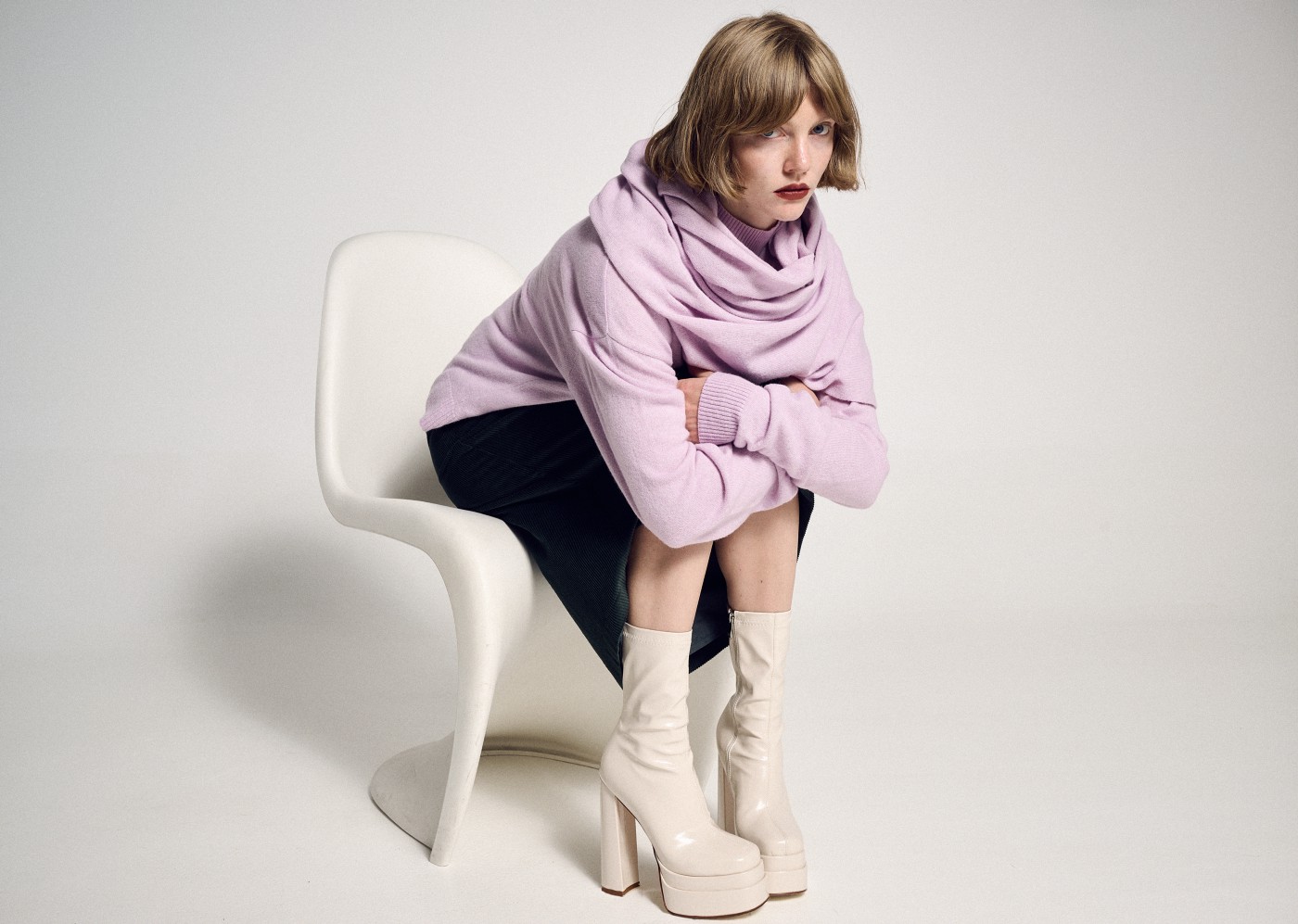
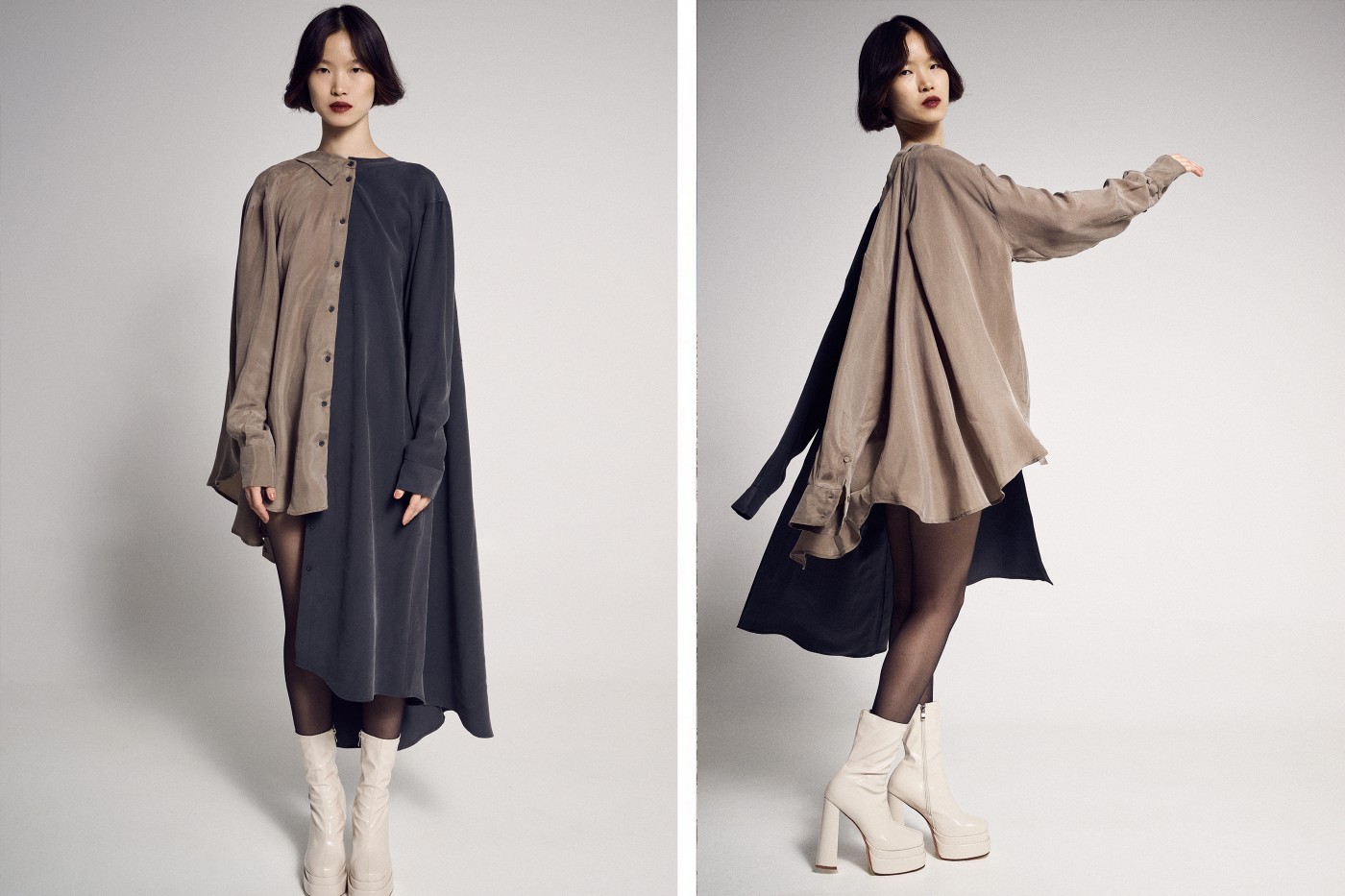
The fashion revolution through social media.
Social media has had a powerful impact on the fashion industry, transforming it from
something largely controlled by fashion brands into an industry whose trends are
increasingly shaped by the audience itself.
ΜCan this shift actually work to the benefit of fashion?

The Power of the Audience
As with other sectors, the fashion industry had to adapt to the changing influencer landscape. There was a time when fashion and trends were largely dictated by industry experts. Something was either “in” or it wasn’t.
In recent years, things have not been so clear-cut. Consumers have turned to social media. They started fashion blogs, while others became known for their fashion photography on Instagram. They create their own mix-and-match styles and share them with their social followers. By doing so, some have managed to gain thousands—or even millions—of followers.
Traditional opinion leaders no longer exert the same level of influence they once did. Designers and fashion houses have begun to realize that they serve an audience of people who have their own creative ideas and are willing to share them. By working with their consumers, the fashion industry can stay on trend as individuals discover and create their own styles.
The industry is now in a position where a significant portion of brand mentions on social media is generated by consumers as they discuss brands themselves (according to an example cited in the Brandwatch Social Insights on the Luxury Fashion Industry report, 99.63% of brand-related conversation on Twitter is generated by consumers). Fashion enthusiasts want to engage with fashion, and brands are responding to this call.Consumers Become Opinion Shapers
Fashion used to be dictated to a much greater extent. Thanks to social media, people share their own aesthetic and gather large followings of individuals who share or admire their tastes. In many ways, fashion is becoming something shaped by its consumers.
And at the end of the day, that’s not necessarily a bad thing.